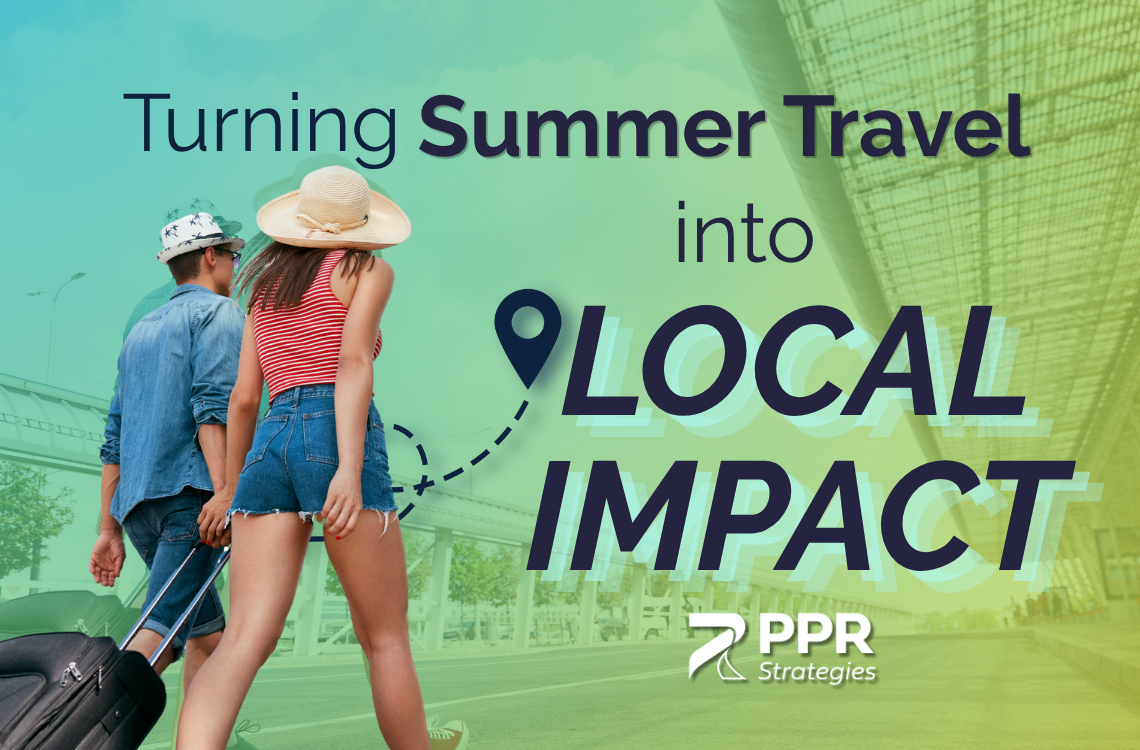
Summer changes how we move through places. Travel picks up. Hotels fill. Weekends become road trips, day trips, and last-minute getaways. Even if you’re staying close to home, you’re probably grabbing ice cream after dinner, trying a new brewery, or finally exploring a Main Street you’ve driven past for years.
For economic developers, this seasonal shift matters. Because summer isn’t just a busy travel season, it’s when local economies become more visible, more connected, and more mobile. Every visitor makes dozens of small decisions throughout the day: where to grab lunch, stop for coffee, browse a local shop, or spend another hour exploring downtown. Communities that make those decisions easy often see visitors stay longer, spend more, and discover businesses they never planned to visit.
One of the clearest ways that shows up is through “trails.”
Across the country, you’ll find ice cream trails, brewery trails, wine trails, coffee trails, and food trails that connect local businesses into one experience. Kentucky’s Bourbon Trail is one of the best-known examples, showing how a simple concept can become a major tourism driver.
Why Trails Work
Trails work because they take the pressure out of planning.
Instead of asking your travel partner “What should we do next?,” you can follow a simple rhythm: stop here, then here, then here. That structure turns a collection of individual businesses into something that feels connected and intentional.
For small businesses, they feel the increased visibility beyond regular customers and see the nearby foot traffic turn into repeat stops throughout the day. A single idea for the afternoon becomes a full experience across multiple businesses.
Communities have embraced this idea in different ways:
- Main Street Middletown Ice Cream Trail (Maryland)
- Frederick Find Waldo Local Passport Program (Maryland)
- Wine Trails (Virginia)
- Metropolitan Beer Trail (Washington D.C.)
- Baked: A Bread Trail (Pennsylvania)
- Crab and Oyster Trail (Maryland)
While many communities invest in branded trails and passport programs, a significant portion of summer movement is still driven by informal decision-making. People stop for lunch, notice a local shop, wander a few more blocks, and end up spending more time and money than they originally planned. Walkable downtowns, coordinated marketing, and inviting public spaces all help create those moments.
College Towns Run on a Different Kind of Trail
One of the most active trail systems in the summer doesn’t always get labeled as tourism at all: college visits. Families spend weeks mapping out campus tours, often building multi-stop trips across cities or even states. While the university may be the destination, the community becomes part of the experience.
A morning visit in one town becomes an afternoon drive to another. A second tour turns into an overnight stay at the local bed and breakfast. Businesses near universities benefit from a steady flow of visitors who are actively exploring a possible new home, not just passing through.
Some college communities continue that relationship after students enroll through local discount programs and partnerships, including:
Tourism Impact Is About Movement, Not Just Destinations
Tourism is often measured by anchor attractions: museums, stadiums, waterfronts, historic sites, or major events. But a significant portion of economic impact comes from everything that happens between those anchors.
Trails help extend that in-between space. They connect small businesses into shared experiences instead of isolated points on a map. They encourage longer stays and higher visitor spending. They strengthen downtown corridors by creating natural movement between businesses. And they help communities tell a more cohesive story about what it feels like to be there.
This summer, whether you’re following an ice cream trail, a winery and brewery route, a college visit itinerary, or your own unofficial map of “we should stop there,” you’re part of how local economies stay active.
The only question is: where are you headed next? Drop me a line and let me know!