Over the past several months, I’ve had the opportunity to participate in Leadership Essentials, a leadership development program through Loyola University. Through a combination of workshops, one-on-one coaching, and a community impact project, the experience has challenged me to think differently about leadership, collaboration, and the role I play within teams.
Going into the program, I expected to spend a lot of time focused on strategy, decision-making, and leadership frameworks. While those topics played an important role, what surprised me most was how often the most valuable lessons came not from having the right answers, but from asking better questions.
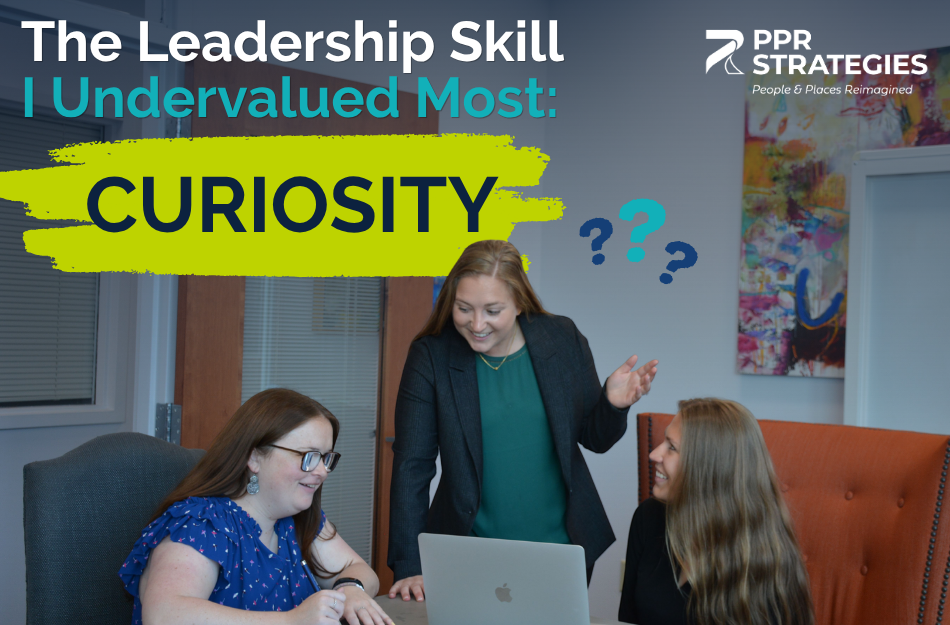
Curiosity kept showing up in unexpected places.
It surfaced in conversations about emotional intelligence, where the focus was less on reacting quickly and more on understanding what is driving a response. It appeared in conversations about conflict management, where the most productive moments came when someone paused long enough to consider another perspective. It even emerged in discussions about influence, where it became clear that influence is less about persuasion and more about understanding what matters to the people around you.
One of the most useful tools we explored was appreciative inquiry, an approach that focuses on what is working rather than only what is broken. At first, that sounds simple. In practice, however, it can completely shift the tone of a conversation. Instead of starting with gaps and challenges, you begin with strengths, patterns, and areas of momentum. That small shift changes how people participate. They open up differently. They think differently. They contribute differently.
Curiosity also changed how I think about leadership styles. It’s easy to assume that effective leadership means having clarity and direction at all times. But some of the most effective leaders I have observed are the ones who stay curious long enough to understand context before moving into action. They listen for patterns. They notice dynamics in the room. They ask questions that help other people think more clearly, rather than prompting a quick response.
In economic development, this feels especially relevant. No two clients, communities, or projects are the same. There is rarely a template that fits cleanly from one engagement to the next. The work requires structure and discipline, but it also requires flexibility, listening, and a willingness to adapt based on what you learn along the way.
Curiosity is what makes that possible.
It helps you understand not just what a client is asking for, but why it matters to them. It helps uncover areas of alignment, even when priorities initially feel far apart. And it encourages you to slow down long enough to recognize the dynamics that will often determine whether a project moves forward smoothly or gets stuck.
As the program comes to a close and graduation approaches, the lesson that continues to resonate with me is the importance of staying curious. In a world that often rewards quick answers, there is real value in slowing down, asking thoughtful questions, and remaining open to what you might learn.
Curiosity is what keeps work grounded. It keeps teams connected. And it is often what transforms a good plan into something that actually works in practice.
Congratulations to Gabby on completing Leadership Essentials, and thank you for sharing these reflections with the PPR community. Have you had a similar lightbulb moment on your professional journey? If so, we want to hear about it!