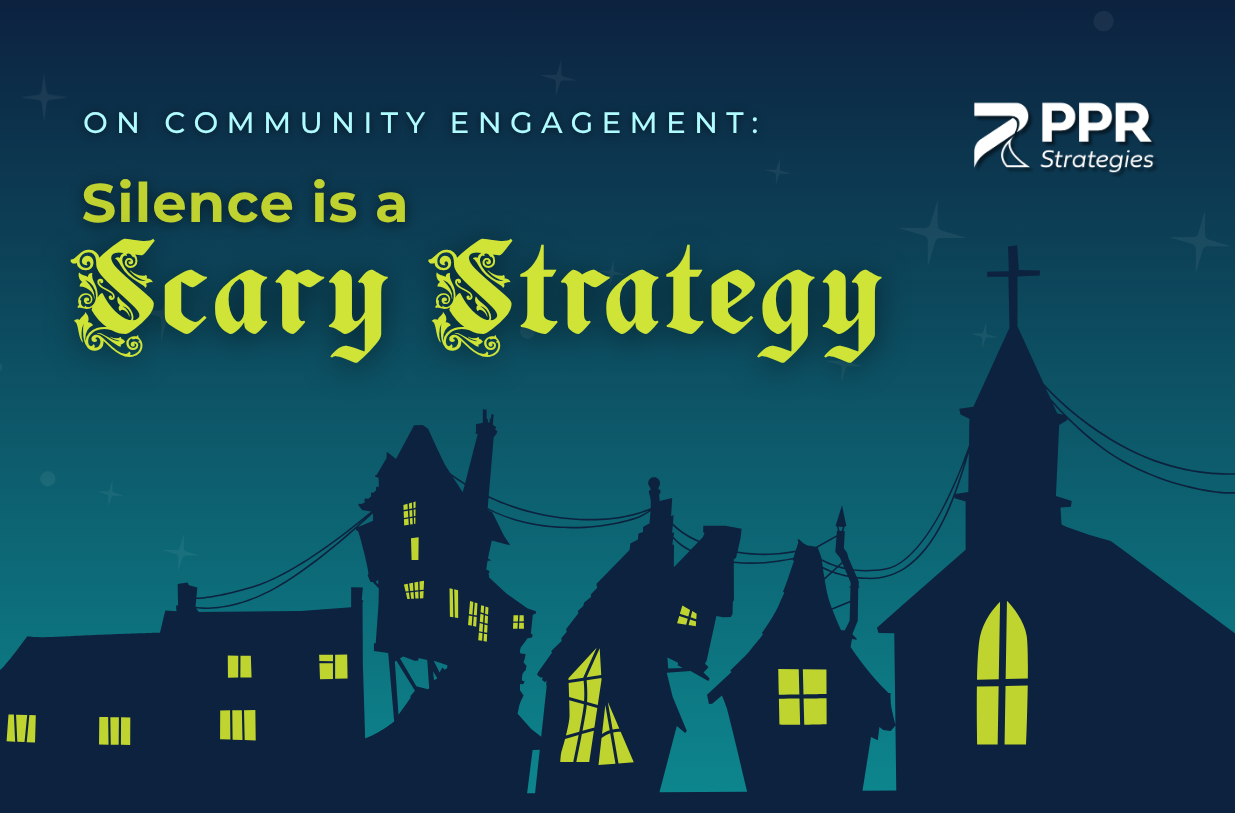
Economic development comes with plenty of moving parts. But few things can spook a community faster than unanswered questions, unexpected announcements, random social media rabbit holes, or the feeling that decisions are being made without its input.
When community members are left in the dark, uncertainty can fill the gaps. And when economic development organizations ask for feedback but never explain what happened next, even the best engagement efforts can fall flat.
The good news? Community engagement doesn’t have to follow the plot of a Halloween horror story. With authentic communication, proactive outreach, and a willingness to listen, economic development organizations can build trust and bring people along as their communities grow and change.
As we head into Halloween, here are five ways to keep your community engagement strategy from becoming a front-page horror story.
Listen Before the Plot Twist
Few things frustrate community members more than being asked for feedback after the important decisions have already been made. Cue the Scream movie moment when everyone watching knows what’s coming, but the characters refuse to listen!
Community engagement should happen early enough for people’s perspectives to inform the process. Surveys, interviews, focus groups, and informal conversations can help organizations understand what residents, business owners, and other stakeholders value.
Before developing a workforce strategy, for example, organizations can talk with employers, educators, and workers. Before advancing a downtown revitalization plan, they can gather input from business owners, residents, and visitors. These conversations can reveal shared priorities, uncover overlooked needs, and help organizations make more informed decisions. The goal isn’t to guarantee that everyone will agree. It’s to understand different perspectives and use that information to make more informed decisions.
Don’t Ghost Your Stakeholders
Consistent communication is one of the most important parts of community engagement; it’s not a one-and-done. Yet organizations sometimes wait until a major announcement, public hearing, or project milestone to share information. By then, the social media trolls have gotten their meal, and community members likely already have questions and concerns.
To avoid this, communicate early and often whenever possible. Not every update needs to be a big reveal. While it’s important to be mindful of confidentiality agreements and information that isn’t ready to be shared publicly, you can still explain what you’re able to share, what comes next, and when people can expect another update. Sharing project timelines, explaining next steps, and adding a frequently asked questions (FAQ) page to your website can go further than you think. Even a simple update that acknowledges a project is underway, without disclosing sensitive details, can prevent an information vacuum.
Face the Facts, Even When They Elicit Fear
Authentic engagement means being honest about what is happening, what is still being decided, and what organizations can realistically promise. This is especially important when economic development involves complicated decisions, competing priorities, or changes that affect how people experience their community.
Transparency gives people the context they need to understand the process, even when they don’t agree with every decision.
Consider the conversations happening around data center development across the country. Questions about energy use, water consumption, noise, and potential community impacts can quickly lead to speculation when reliable information is hard to find. When technical details get lost in translation, misinformation can spread just as quickly as a rumor about what’s lurking in the basement of a haunted house.
Economic development organizations don’t have to have every answer immediately. They do need to communicate what is known, acknowledge what is still being evaluated, and direct people to credible information, while respecting confidentiality requirements. When questions arise, address them directly when possible, rather than letting assumptions take over the conversation.
Don’t Leave Anyone in the Dark
Even the best information won’t make an impact if the people who need it most can’t access or understand it. Effective community engagement considers who needs to hear a message, what barriers might prevent them from participating, such as language and accessibility, and which communication channels are most effective.
A single public meeting, email newsletter, or social media post won’t reach everyone. You may need to use multiple channels, like social media, text, and community meetings, simplify technical information, translate materials, adapt for accessibility, or create different opportunities for people to participate. That could mean advertising in a local newspaper, sharing information through community partners, or offering both in-person and virtual opportunities to provide feedback.
Think of it this way: You wouldn’t expect everyone to find their way through a haunted house using only one tiny flashlight. Why expect one communication channel to reach an entire community?
Give the Story a Happy Ending
Asking for feedback is only half the job. Community members also need to know what happened after they shared their perspectives.
Without follow-up, even a successful survey or well-attended meeting can leave people wondering whether their input mattered. Closing the feedback loop means acknowledging what was heard, explaining how the information will be used, and communicating decisions or next steps.
Not every suggestion can be implemented, and stakeholders won’t always agree with the final outcome. Authentic engagement doesn’t require promising that every concern will be resolved. It requires treating feedback seriously and explaining decisions honestly.
Keep Community Engagement From Becoming a Horror Story
At PPR Strategies, we know strong community engagement starts with understanding the people who make a community what it is. We put these principles into practice by helping economic development organizations share progress updates and success stories through regular blogs, facilitate stakeholder conversations, and gather community input through marketing and branding studies, surveys, and more.
The scariest thing an economic development organization can do is leave its community out of the conversation. Consistent communication, genuine listening, and meaningful follow-through help build the trust communities need to navigate change.
Have a community engagement challenge you’re trying to solve? Drop me a line; let’s remove the mystery from the process together.