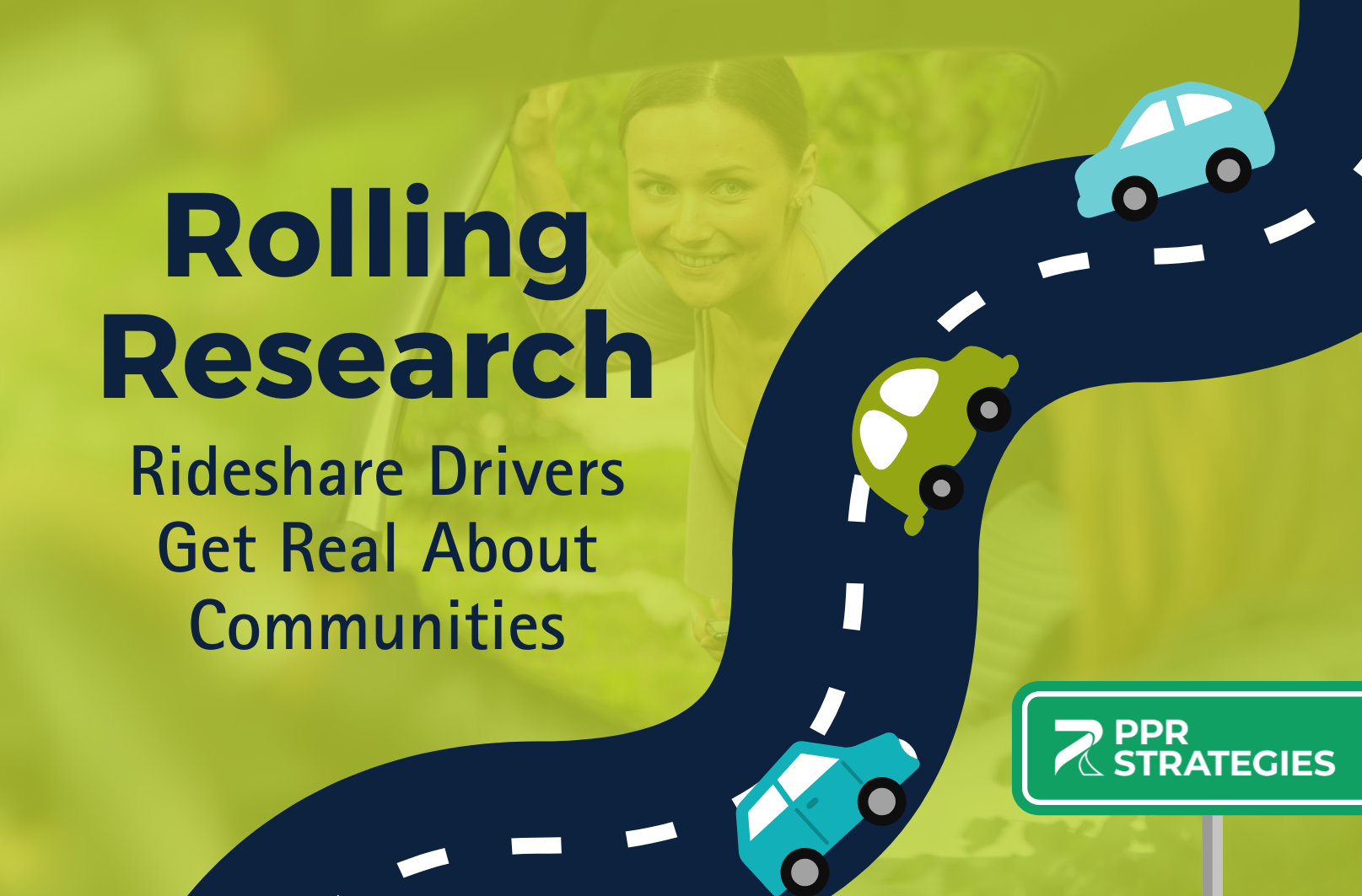
One of our recent blogs shared how the best ambassadors of your community aren’t necessarily the ones on your payroll. While that blog discussed the small business owners, baristas, and parents on the playground who know the nuances of your community best, this blog is dedicated to the wheely effective (cringe) ambassadors who greet visitors first: the Uber or Lyft drivers rolling around your community. If you’re like us, your economic development or tourism hats are always firmly atop your head, so asking for recommendations and perspectives on a community’s high and low points is second nature. Here’s what we learned on a recent trip out of town:
Opportunities: Many rideshare drivers take to the wheel to supplement their regular incomes. In fact, a 2024 survey of Lyft drivers indicated that 94% drive less than 20 hours per week. What this means is that most are employed by more than one local company, or moonlight as drivers on a schedule that supports their family’s busy lives. The subtext: your average rideshare driver has a broad basis of understanding of your community’s economic and demographic landscape. Aside from making a living off the local economy, the high concentration of engineers, nurses, college students, and young families who enter their vehicles gives them a grasp of the talent pool that calls a community home, or visits on business. If you’re trying to get a sense of who lives in a place and loves to visit, you might ask:
- “I imagine you do lots of airport runs. Do you cross paths with a lot of [insert type of professionals] who live and work here?”
- “There seems to be lots of activity at the convention centers downtown. Do you know what industry gatherings are in town this week?”
- “Who are the biggest employers in the area?”
Livability and Leisure: Curious about the availability of public transportation? How about the best neighborhoods to raise kids? Or what about the trending downtown developments that attract young people in droves? The conversations drivers share and the stops they make give them a unique lens into the quality of life of a community. Their drop-offs and pickups take them to the buzziest and grittiest parts of town, and everything in between, so they can vouch for the quality of life, real estate, and amenities sprinkled throughout a community. To kickstart these convos, try:
- “This is a college town. Do a lot of graduates stay on after college? If so, where do they live?”
- “Do the people who live here tend to be closer to retirement age, or are they on the younger end of the spectrum?”
- “I love hiking and biking. Do you have any local trails nearby?”
- “I am in town for [insert number of days]. What are the must-sees while I am here?”
Schools: As referenced earlier, many drivers moonlight for rideshare companies to supplement family incomes. Given this, they can speak to the best schools or those that need improvement, based on their experiences, or based on conversations shared with passengers. On a recent Uber ride, I learned that one fiercely determined mom, who lived in a community with school choice, spent $25 per ride to transport her children across town to a better school because the bus transportation was not reliable. This mom went to great lengths (and personal expense) to educate her children, which spoke volumes about the quality of schools in her neighborhood, as opposed to those across town. To get a handle on educational excellence in a community, you might ask:
- “Are the schools well regarded [in X neighborhood]?”
- “Do most families send their kids to public schools, or go the private/charter school route?”
- “Oh, you have kids in [insert grade]! What sports/activity programs are popular with kids around here?”
- “I see lots of new construction around here. Are the schools pretty crowded?”
Housing and Development: Rideshare drivers are mobile witnesses to a community’s growth patterns and housing market dynamics. They see the construction cranes, the revitalization happening block by block, and the neighborhoods where “For Sale” signs multiply like dandelions. Their daily routes take them through established suburbs, up-and-coming districts, and areas struggling with vacancy or decline. Since many drivers are also residents navigating their own housing decisions, they offer critical insights into affordability, desirability, and market trends. Consider asking:
- “I’ve noticed a lot of new apartment complexes going up. Are people having trouble finding affordable housing?”
- “Which neighborhoods are hot right now for young professionals?”
- “Do you see a lot of people moving here from other cities, or is it mostly locals?”
- “Are there areas of town that used to be in decline but are turning around?”
Culture and Community Character: Between the sports fans heading to games, concertgoers dressed to the nines, and families bound for festivals, rideshare drivers get front-row seats to a community’s cultural pulse. They know which venues consistently draw crowds, which events shut down traffic, and what the locals actually do for fun versus what the visitor’s bureau promotes. Their passengers often share excitement about upcoming events or frustrations about cultural gaps in the community. To tap into this cultural intelligence, try:
- “What’s the biggest event that happens here each year? Does the whole city get involved?”
- “Are people here pretty into [sports team/arts scene/outdoor activities]?”
- “I’m visiting during [season/month]. Is there anything special happening that I should know about?”
- “What would you say gives this place its personality? What makes it different from other cities?”
Infrastructure and Getting Around: Few people know a city’s traffic patterns, road conditions, and transportation quirks better than someone who navigates them professionally every day. Drivers experience firsthand which areas flood during storms, where construction creates perpetual bottlenecks, and which routes locals avoid like the plague. They also hear passenger complaints and praise about everything from parking availability to public transit reliability. This makes them valuable sources for understanding a community’s infrastructure strengths and pain points:
- “What’s traffic like during rush hour? Are there areas I should avoid?”
- “How walkable is your downtown? Do people actually walk places here?”
- “I heard the public transit system is pretty good/needs work. What’s your take?”
- “Are there any roads or areas that seem to always have construction going on?”
A VIP Vantage Point: The next time you slide into the backseat of a rideshare, remember that you’re not just getting a ride; you’re gaining access to one of your community’s most knowledgeable, mobile ambassadors. These drivers don’t just transport people; they absorb stories, observe patterns, and develop an intuitive understanding of what makes a place tick. Sure, they might not have the polished talking points of your official tourism materials, but their insights are raw, real, and remarkably revealing. So go ahead, strike up that conversation! You might just discover that the most honest assessment of your community comes from someone who sees it not from a conference room or city hall, but from behind the wheel, one ride at a time. Have you had a taxi cab or rideshare chat that’s deepened your perspective on a community? Tell me all about it!