As winter gives way to spring, the change is hard to miss. The days feel longer (in the best way), more people are outside, and there’s a noticeable shift in energy across our communities. It’s the time of year when it feels easier to reconnect with the places we move through every day and the people we share them with.
At PPR Strategies, we spend a lot of time thinking about place, but the work is ultimately about people. It’s about relationships, shared experiences, and the small moments that build confidence and connection over time. That’s something we’re seeing this spring through our teammate, Kayla.
Where It All Starts (Hint: Not in a Boardroom)
Kayla, PPR’s Social Media Coordinator, recently started volunteering as an assistant coach with Girls on the Run (GOTR)*. GOTR is a program that gives young girls the opportunity to combine physical activity with confidence-building and connection. It creates a space where participants can try something new, support one another, and build valuable life skills and friendships.
For Kayla, this felt like a natural way to give back. Sports were a big part of her childhood, and she still feels the impact of coaches who positively contributed to her growth, both physically and mentally. More recently, she’s rediscovered her love for fitness, which led her to look for ways to offer that same support and empowerment to others. GOTR has given her that opportunity.
Now, she’s at practice twice a week, getting to know her team and settling into her first season as a volunteer coach. It’s still early, but she’s already noticed how showing up, paying attention, and offering encouragement can make a real difference. Coaching has also challenged her to slow down. It requires patience and a willingness to meet each participant where they are.
The Long Run Starts Early
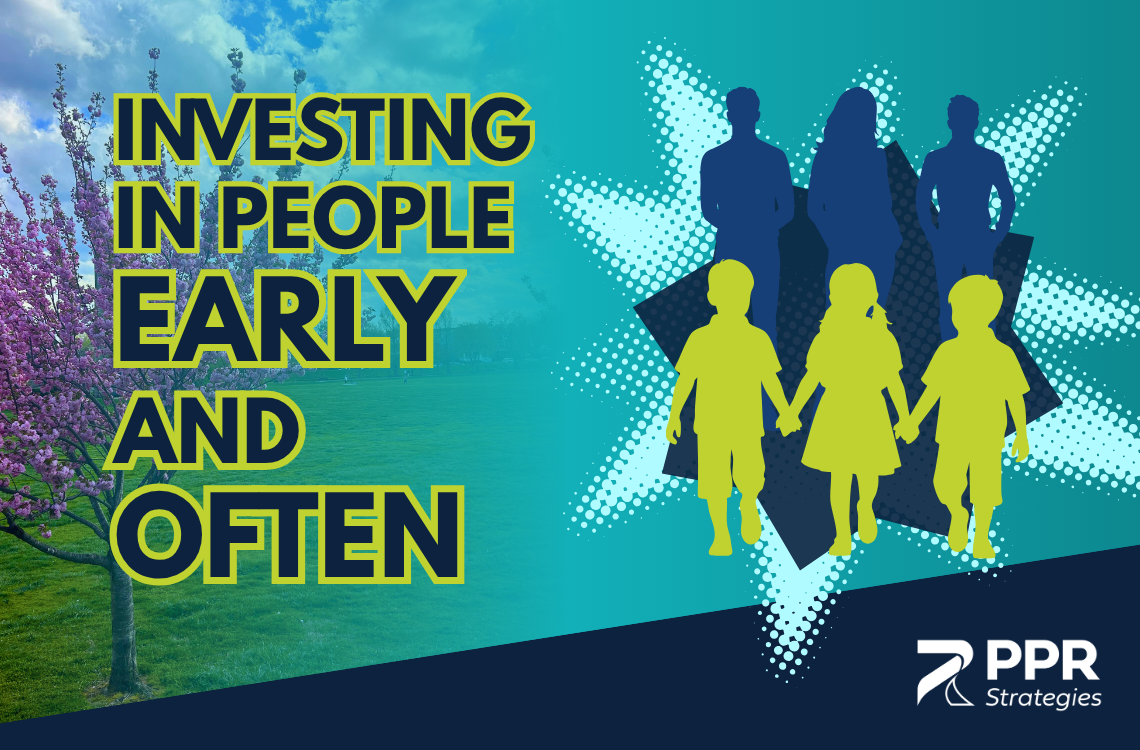
Experiences like this may not always be labeled as local workforce development efforts, but they play a role in shaping it. Confidence, communication, and resilience start forming early, so by the time someone enters the workforce, those traits are already taking shape. From a community perspective, that kind of investment adds up. Mentorship and youth programming contribute to a stronger workforce, a more engaged community, and a more stable foundation over time.
It also points to something we don’t always recognize or talk about: community development is not always tied to large initiatives. A lot of it happens in everyday settings, like a park, a school, or a trail. Those spaces give the community somewhere to gather and interact, and they make it easier for programs like GOTR to take root.
As communities think about growth, whether through infrastructure, tourism, or economic strategy, it is worth considering how these kinds of experiences fit into the bigger picture. Not just the physical investments, but the human ones.
Showing Up Isn’t in the Job Description (But Maybe It Should Be)
For those working in economic and community development, there is also a more personal layer to that question. How are we participating in the communities we’re helping to shape? Now is the perfect time to reflect. It could be volunteering, mentoring, or simply being more present and active in your own community. The impact of those efforts is not always immediate, but it is lasting.
At PPR Strategies, we see how people-focused efforts support long-term economic vitality. If you’re exploring ways to bring more of that into your work, we’re always open to a conversation.
*The opinions expressed here are solely Kayla’s opinions and do not necessarily represent the views or opinions of Girls on the Run International nor Girls on the Run of Mid and Western Maryland.