If you’re like most economic development professionals, you’ve spent the last few weeks of December pondering the benchmarks you want to reach when you turn the page to 2026. Now that January is here and the post-cookie haze in the break room has worn off, the anxiety is real: you want 2026 to be the year that you finally get ahead of the curve instead of constantly playing catch-up.
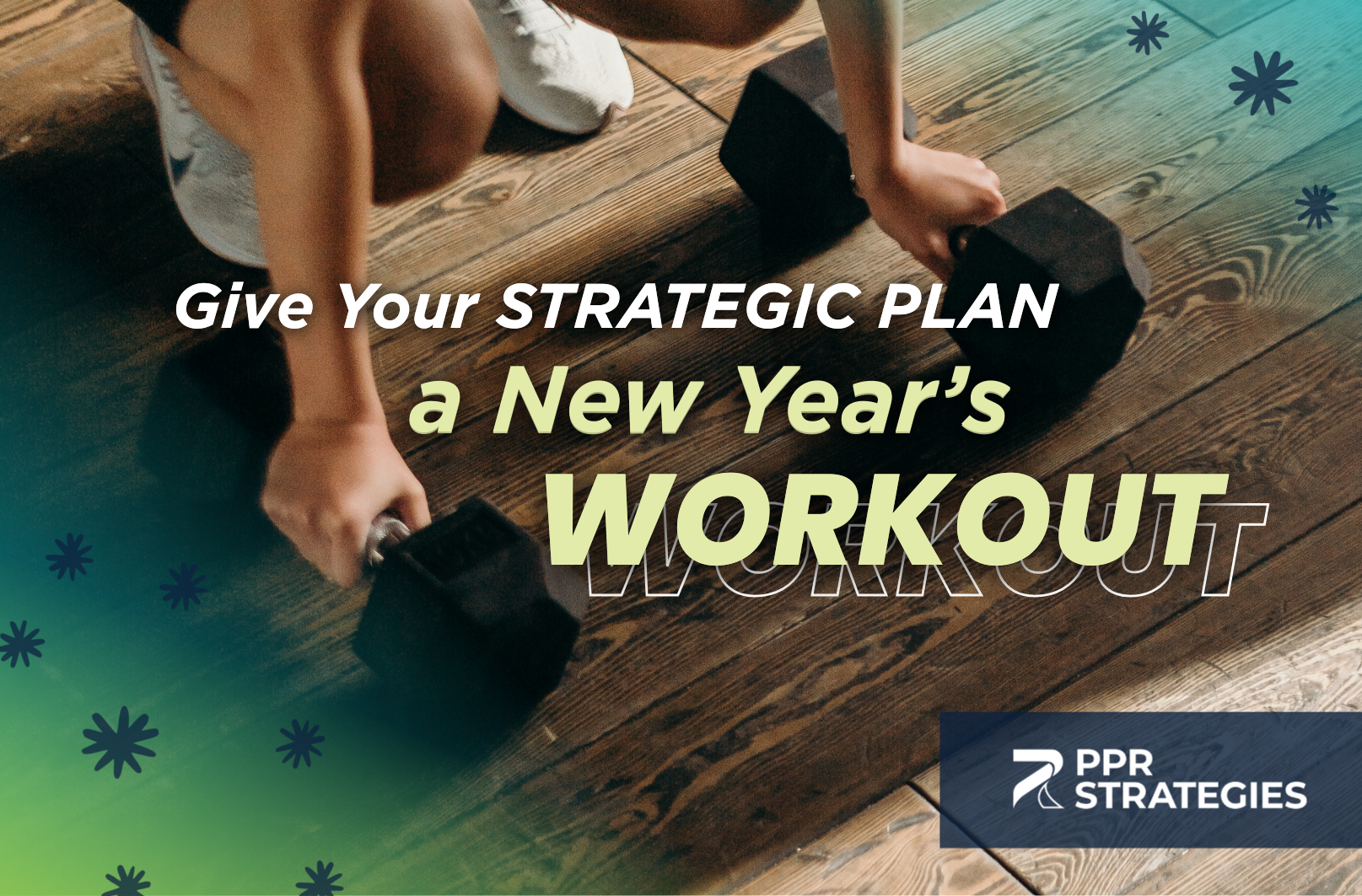
Here’s the good news: you don’t need to reinvent the wheel to make quarter one your strongest yet! Throughout 2025, we shared tactical advice that busy professionals like you put into practice with real results. This week, it’s time to dust off that strategic plan and put it to work when it matters most—right at the start of the year when productivity is on your side!
Before you dive into the tactical work, ask yourself some honest questions (we won’t judge):
When was the last time you actually looked at your strategic plan? Not skimmed it for a board meeting, but really sat with it and evaluated whether your team’s weekly, monthly, and quarterly actions align with your stated priorities?
Your January Strategic Alignment Audit
Start with a simple but disciplined review:
Review your goals.
Are they still relevant, or have market conditions shifted? As you know all too well, economic development doesn’t happen in a vacuum: labor availability, interest rates, site readiness, infrastructure funding, and political leadership all change faster than most plans are written. If last year taught you something new, your plan should reflect it. A strategic plan is a living document, not a museum piece.
Assess your progress.
Which initiatives are gaining traction? Which ones are stalling, and why? Be specific. “Staff capacity” and “external factors” may be true, but dig deeper. Is the initiative under-resourced? Poorly scoped? No longer aligned with community needs? Honest diagnosis is the foundation of smart adjustment.
Identify misalignments.
Where are you spending time and resources that don’t ladder up to strategic priorities? (Be ruthless here. We all have pet projects that need to be sunset.) In any organization, activity can masquerade as progress. If a program, meeting, or partnership doesn’t clearly advance a strategic objective, it deserves scrutiny.
Set quarterly milestones.
Break down your annual goals into 90-day increments. What specifically needs to happen by March 31 to keep you on track? Clear milestones turn big-picture strategy into manageable, actionable work. This will make it much easier to evaluate progress before the year slips away.
Best Practices for Evaluating Strategic Plans in Economic Development
To take your evaluation beyond a check-the-box exercise, keep these best practices in mind:
Anchor evaluation to outcomes, not just activities.
Economic development work is a marathon, not a sprint, but that doesn’t mean evaluation has to be vague. Track leading indicators: prospect engagement, business retention, site readiness, the effectiveness of workforce partnerships, and so on; not just ribbon cuttings. Progress shows up before headlines do.
Use data, but don’t wait for perfect data.
Labor force trends, business retention feedback, housing absorption rates, and demographic shifts all provide valuable insight. Pair quantitative data with qualitative input from employers, partners, and stakeholders. The goal is informed decision-making, not statistical perfection.
Evaluate capacity alongside strategy.
A strong plan that exceeds staff time and budget will stall every time. Regularly ask: Do we actually have the capacity to execute this? If not, the solution may be reprioritization, not pushing harder.
Build evaluation into your governance rhythm.
Make a standing appointment with your leadership team (maybe the first Monday of every month) to review progress against strategic priorities. Fifteen minutes. That’s it. Just enough to keep everyone aligned and accountable. Quarterly, go deeper with your board or key partners to assess whether strategy adjustments are warranted.
Be willing to course-correct—and say so out loud.
Changing direction isn’t failure; it’s responsiveness. Economic development professionals operate in complex, fast-changing environments. The organizations that succeed are the ones that normalize reassessment and communicate clearly about why priorities shift.
The Bottom Line
Strategic plans don’t fail because they’re bad plans. They fail because they become disconnected from daily decisions, weekly calendars, and quarterly expectations. January is your opportunity to reconnect the dots—to make sure what you’re working on today clearly supports where you want your community to be tomorrow.
Start small. Review honestly. Adjust intentionally. If you do that consistently, the first quarter won’t just feel productive—it will set the tone for a more focused, effective, and less reactive year ahead.